
- Học kỳ
- SP2026
- Thời Gian
- 4/5/26
- Loại tài liệu
- FE
ENW492c SP26 FE RE
Read the essay below and answer the questions that follow.
Waste Disposal
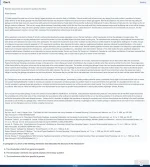
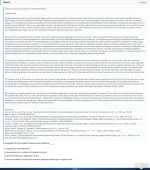
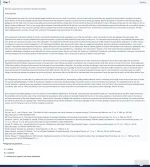
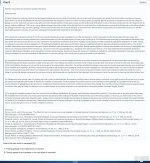
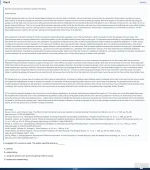
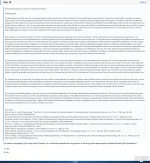
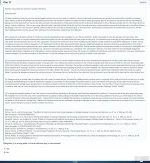
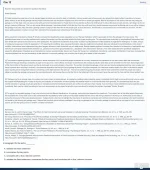
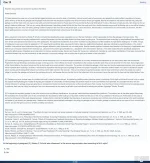
[1] Waste disposal has been one of human being's biggest problems ever since the dawn of civilization. Humans create loads of waste every day ranging from empty bottles to excretions to banana
peels. What to do with all the garbage that the people create has been the discussion of panels ever since the Roman senate got together. Most of the people are not aware of the fact that putting the
garbage out of their trash cans can cause many safety and environmental problems. People tend to throw and litter stuff around thinking that 'it's only a little piece of trash and only I am doing it so it's not
going to make any difference'. This is a very wrong attitude because if everybody started to think like that, then the world would be in trouble because everyone will be littering and no one will be throwing
the garbage in the cans. Also, we have a growing number of people in this world and as the people grow, so does their trash. The best way to reduce trash in our environment is to recycle it. The first
step in getting people to recycle is to have them understand that recyclable trash should be put in its right place.
[2] An experiment conducted by Wesley P. Schultz concluded that pleading the people repeatedly is one of the best methods in which to get people to throw the garbage in its proper place. This
experiment was based on recycling methods and it required the people to put the recyclable objects into their proper recycling bins. The experiment was conducting by using feedback interventions that
were aimed at the personal and social norms of the participants. The experiment included the study of the "curbside recycling behaviors of 605 residents of single-family dwellings for 17 weeks. Groups
of contiguous houses were randomly assigned to 1 of 5 experimental conditions: plea, plea plus information, plea plus neighborhood feedback, plea plus individual household feedback, or the control
condition. Interventions were implemented using door hangers delivered to each household over a 4-week period. Results showed significant increases from baseline in the frequency of participation and
total amount of recycled material for the individual (i.e., personal norm) and the group feedback (i.e., descriptive norm) interventions" (Schultz.). Five other studies that were specifically designed to
assess the effectiveness of feedback as an intervention to improve recycling include: DeLeon and Fuqua; De Young et al .; Goldenhar & Connellet al .; and Katzev and Mishima. It has been concluded that
normative feedback can be used successfully to alter behavior in community settings, and our action plan is going to be based on this information.
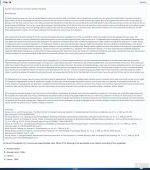
[3] The problems regarding pollution are well known to almost everybody but it is a fact that people sometimes do not really understand the implications of how their actions affect the environment.
People think that just throwing a small piece of paper on the ground is a minor offense and would not contribute to the increase in pollution when they cannot be f
Đính kèm
-
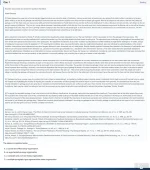 ENW492c SP26 FE RE_001.webp480.4 KB · Lượt xem: 13
 -
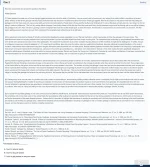 ENW492c SP26 FE RE_002.webp483 KB · Lượt xem: 10
 -
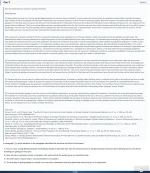 ENW492c SP26 FE RE_003.webp499.2 KB · Lượt xem: 10
 -
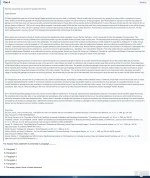 ENW492c SP26 FE RE_004.webp453.6 KB · Lượt xem: 8
 -
 ENW492c SP26 FE RE_005.webp497.8 KB · Lượt xem: 6
 -
 ENW492c SP26 FE RE_006.webp483.4 KB · Lượt xem: 6
 -
 ENW492c SP26 FE RE_007.webp476.1 KB · Lượt xem: 6
 -
 ENW492c SP26 FE RE_008.webp507.1 KB · Lượt xem: 6
 -
 ENW492c SP26 FE RE_009.webp477.9 KB · Lượt xem: 5
 -
 ENW492c SP26 FE RE_010.webp508.9 KB · Lượt xem: 5
 -
 ENW492c SP26 FE RE_011.webp499.9 KB · Lượt xem: 5
 -
 ENW492c SP26 FE RE_012.webp481.4 KB · Lượt xem: 4
 -
 ENW492c SP26 FE RE_013.webp507.3 KB · Lượt xem: 5
 -
 ENW492c SP26 FE RE_014.webp480.9 KB · Lượt xem: 13